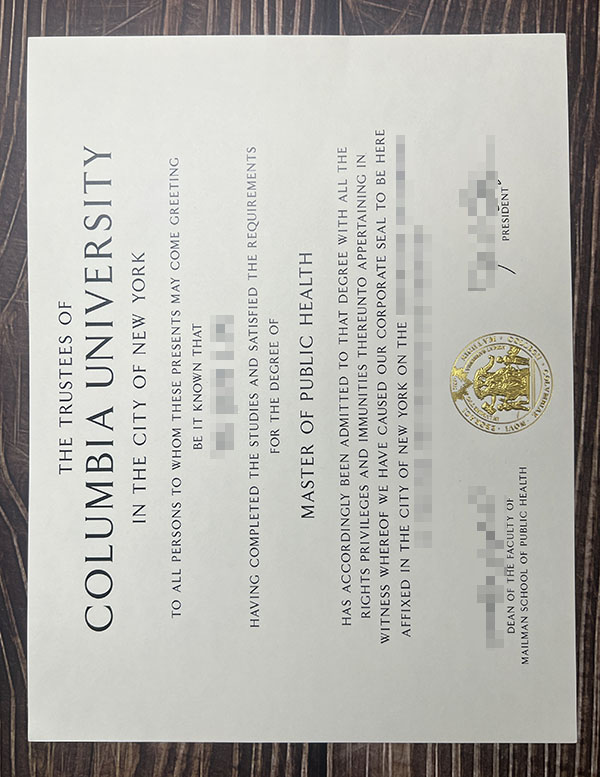
Columbia University occupies a singular place in American higher education. Columbia University degree, Columbia University certificate, Columbia University diploma. Founded in 1754 as King’s College by royal charter of King George II, it is the oldest institution of higher learning in New York State and the fifth oldest in the United States . For more than two and a half centuries, Columbia has combined the intellectual resources of a world-class research university with the energy and complexity of its Manhattan home, producing a distinctive model of urban academic life that continues to shape higher education globally.
Columbia today comprises sixteen schools and colleges, spanning the undergraduate Columbia College and Fu Foundation School of Engineering and Applied Science, the School of General Studies for nontraditional students, and graduate and professional schools in law, medicine, business, journalism, architecture, international affairs, social work, public health, the arts, and climate .
At the heart of the undergraduate experience is the Core Curriculum, a set of shared courses that provides students with wide-ranging perspectives on literature, philosophy, history, music, art, and science. Great tips for making a Columbia University degree online. The Core is not a distribution requirement but a common intellectual foundation, ensuring that all Columbia College students engage with foundational texts and questions regardless of their major.
How soon can I get a Columbia University degree online?
The School of General Studies, established in 1947 to serve returning World War II veterans, continues to serve nontraditional students seeking rigorous undergraduate degrees full or part time. The School of International and Public Affairs, founded in 1946, has educated professionals in public service for more than sixty years. Novelty Columbia University degree online, Replica Columbia University diploma online. The School of the Arts, established in 1965, trains graduate students in film, theatre, visual arts, and writing under faculty acclaimed in their fields .
Columbia today confronts the same tensions that have defined its history: the relationship between an elite institution and its surrounding community, the balance between academic freedom and political pressure, and the role of a university in a democratic society. The university remains the only Ivy League institution with a permanently test-optional admissions policy, even as its acceptance rate has fallen to record lows. The Class of 2030 was admitted from the largest applicant pool in Columbia’s history, with an acceptance rate of 4.23% .
From eight students in a Trinity Church schoolhouse to a global research university spanning sixteen schools and shaping the intellectual life of a city and a nation, Columbia’s trajectory reflects its founding commitment: to “enlarge the Mind, improve the Understanding, polish the whole Man, and qualify them to support the brightest Characters in all the elevated stations in life” . More than two centuries later, that ambition remains the measure against which the university asks to be judged.