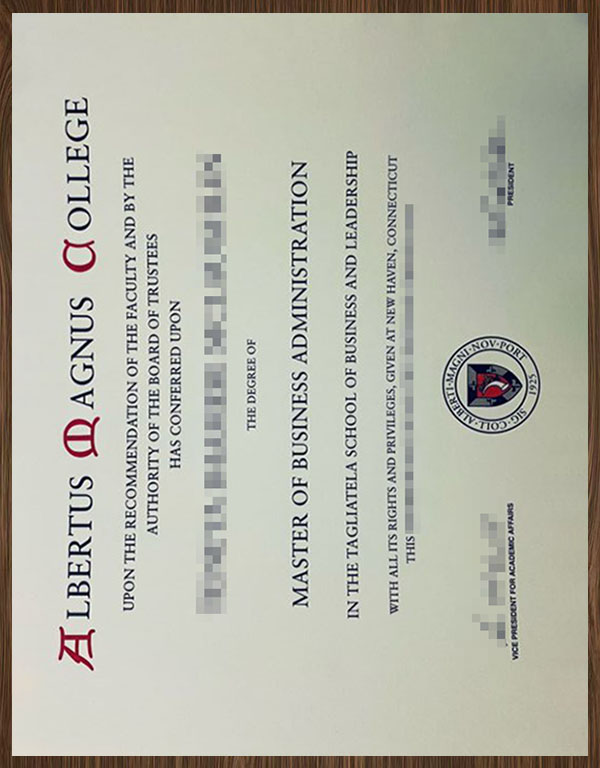
Albertus Magnus College occupies a distinctive position within American Catholic higher education. Albertus Magnus College certificate, Albertus Magnus College degree, Albertus Magnus College diploma. Founded in 1925 by the Dominican Sisters of Peace, it is a small, coeducational liberal arts institution in New Haven, Connecticut, enrolling approximately 1,300 students across traditional undergraduate, accelerated adult, and graduate programs. As it marks its centennial in 2025–26, the college presents an instructive case study in how a mission-driven institution can remain faithful to its founding values while adapting to serve a student body that is today among the most diverse in New England.
Designated a Hispanic Serving Institution in fall 2023 and described as the most diverse Catholic college in the region, Albertus has built its reputation not on selectivity or research output but on access, retention, and outcomes for students who are frequently first-generation and Pell-eligible. Perchase Albertus Magnus College certificate online, Replica Albertus Magnus College diploam online. This article examines the college’s Dominican identity, its academic evolution, its financial realities, and the tension between mission and sustainability that defines its second century.
Albertus Magnus College is named for St. Albert the Great, the thirteenth-century Dominican bishop, theologian, and scholar described by a contemporary as “the wonder and miracle of our time” . The college’s mission is framed around the search for truth “in all its dimensions” and its practical application, animated by the four Dominican Pillars of study, prayer, community, and service. The Dominican motto contemplata aliis tradere—to share the fruits of contemplation—is invoked to describe the college’s commitment to scholarly exploration and the education of the whole person.
This identity is not merely ceremonial. It shapes institutional priorities in concrete ways: the college’s strategic plan, “Albertus 2025: Lighting the Way to a Second Century,” articulates a vision to be “a destination liberal arts-based college, distinguished in its interdisciplinary and experiential approach to education, rooted in Dominican values, that prepares students for lifelong civic engagement and success”. The Dominican Sisters of Peace remain involved in governance, and the college’s Catholic heritage informs its ecumenical and inclusive posture rather than restricting it.
How to Quickly Replace a Albertus Magnus College certificate Online?
The institution’s historical trajectory reflects a series of deliberate adaptations. Fast methods to obtain a Albertus Magnus College certificate online. Founded as New England’s first Catholic residential liberal arts college for women, it launched “Begin Again” in 1973—a pioneering evening program for adult learners, particularly women who had started but not completed college. The Board of Trustees voted in 1975 to omit “of women” from the charter to allow men to earn degrees through continuing education, and in 1985 the college became fully coeducational. The first graduate program, a Master of Arts in Liberal Studies, was introduced in 1992; today the college offers ten graduate programs.
Albertus Magnus College’s centennial arrives at a moment of both achievement and vulnerability. The college has successfully repositioned itself as a minority-serving institution without abandoning its Dominican and liberal arts identity—a balancing act that many small Catholic colleges have failed to manage. Its outcomes for low-income and first-generation students, as reflected in social mobility rankings and employment data, are genuinely impressive for an institution of its size and resources. Yet the financial model that sustains this work is fragile: tuition dependence, a modest endowment, and the gap between demonstrated need and available aid all constrain the college’s capacity to invest in its future. The second century of Albertus Magnus College will be defined by whether it can continue to serve the students its mission calls it to serve while securing the resources to do so. On the evidence of its first hundred years, the institution has demonstrated an unusual capacity for adaptation. Whether that capacity extends to the financial challenges ahead is the question that will determine what the next century holds.